
Now Reading: From Concept to Comfort | The Evolution of Office Furniture
-
01
From Concept to Comfort | The Evolution of Office Furniture

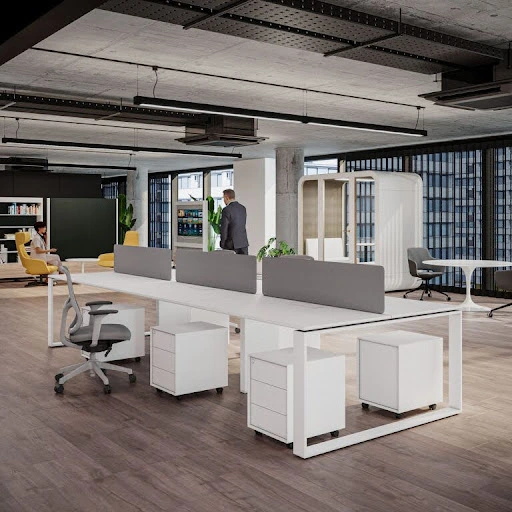
The Evolution of office furniture reflects a remarkable transformation in how we perceive work, productivity, and employee well being. What began as purely utilitarian equipment has evolved into thoughtfully designed elements that prioritize human comfort, ergonomics, and functionality. Urban 411 Office Furniture embodies this evolution by creating innovative solutions that align with modern work culture and advancing technology. This transformation is particularly visible in commercial hubs like Dubai, where meeting tables and workspaces designed by Urban 411 Office Furniture combine aesthetic sophistication with practical performance. The shift from basic concepts to genuine comfort marks a significant advancement in contemporary workplace design philosophy.
Function Over Form
The origins of modern office furniture lie in the factory-inspired efficiency models of the late 19th and early 20th centuries. Offices resembled production lines, with furniture designed for durability and space optimization rather than comfort or individual expression. Pieces were heavy, rigid, and standardized, reflecting a hierarchical corporate structure where worker comfort was a secondary concern. The manager’s desk was typically larger and more imposing, visually reinforcing workplace authority structures in the physical environment.
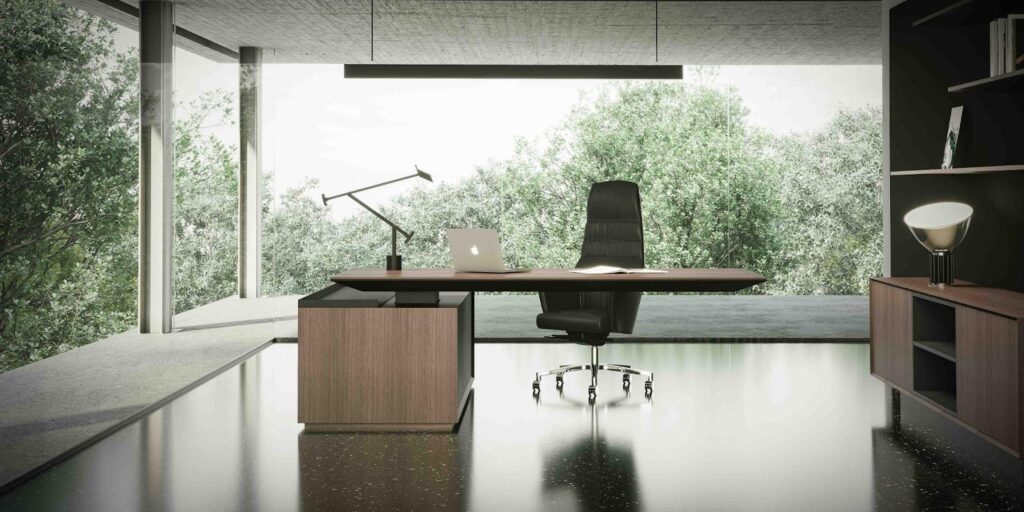
Characteristics of this era included:
- Durable hardwoods like oak and maple used for desks and filing cabinets built to withstand decades of use
- Fixed-height, non-adjustable desks and simple, straight-backed chairs that offered minimal postural support
- A clear visual hierarchy demonstrated through the size, placement, and quality of furniture assigned to different staff levels
- A primary focus on paperwork storage with large, centralized filing systems that dominated office layouts
This period established the office as a central business location but provided little physical or psychological comfort for the employees working there.
The Mid-Century Cubicle
The mid-20th century introduced the cubicle, representing a significant shift toward providing workers with defined personal space. Originally envisioned as a flexible alternative to open floors, the concept often resulted in bland, isolating environments that prioritized space efficiency over wellbeing. While offering acoustic and visual separation, the standardized furniture within these partitions provided limited adjustability and often contributed to musculoskeletal issues through poor ergonomic design. The typical meeting table Dubai companies used during this period tended toward large, formal designs that reinforced traditional corporate structures rather than collaborative work.
This era focused primarily on:
- Maximizing floor space efficiency often at the expense of employee comfort and satisfaction
- Standardized components that allowed for quick reconfiguration but offered little personalization.
- Basic functional design that addressed privacy concerns without considering psychological impacts
While addressing some issues of open plans, this approach created new challenges related to isolation and physical discomfort.
The Ergonomic Revolution
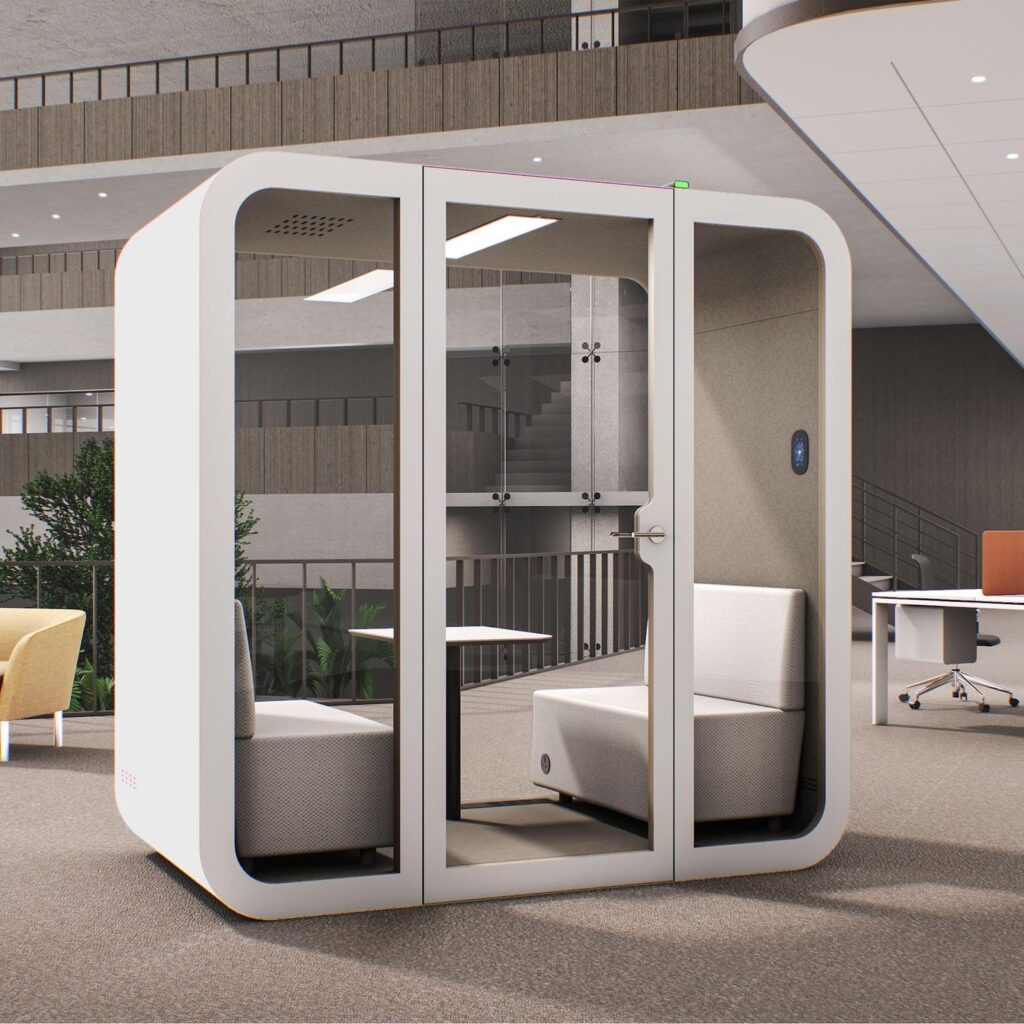
A crucial turning point arrived with research linking workplace design to health outcomes and productivity. The ergonomic revolution recognized that comfortable employees are healthier, more focused, and more productive. This scientific approach transformed office furniture from simple equipment into sophisticated tools designed to support the human body. This period marked the beginning of furniture designed around human anatomy rather than forcing people to adapt to inflexible equipment.
Key developments of the ergonomic era included:
- The advent of the fully adjustable office chair with multiple control points for seat height, depth, tilt tension, and armrest positioning
- Introduction of sit-stand desks that acknowledged the health risks of prolonged sitting and promoted movement
- Customizable workstation setups that could be tailored to individual physical needs and preferences
- Scientific validation of the connection between proper support and reduced fatigue, injury, and improved focus
This people-first approach established comfort as a legitimate business consideration rather than a mere luxury.
The Modern Era
Today’s office furniture represents a synthesis of previous lessons, combining ergonomic principles with aesthetic sophistication and technological integration. The modern workplace acknowledges that comfort encompasses physical, psychological, and social dimensions. Furniture has become agile, adaptable, and designed to support various work modes throughout the day. The contemporary meeting table Dubai businesses choose, for instance, might feature integrated power outlets, wireless charging, and video conferencing technology while maintaining an elegant, comfortable design.
Current trends emphasizing holistic comfort include:
- Biophilic design elements that incorporate natural materials, colors, and patterns to reduce stress and improve mental wellbeing
- Activity-based working environments with furniture supporting different tasks from focused work to collaboration
- Technology integration that minimizes clutter and frustration while keeping necessary tools accessible
- Adaptable pieces that can be reconfigured easily to meet changing needs and preferences
Urban 411 stays at the forefront of these trends, helping businesses create environments where comfort supports both wellbeing and performance.
Conclusion
The evolution of office furniture from basic concept to comfort-focused design represents significant progress in how businesses value their employees and approach workplace design. The journey has moved from furniture that simply facilitated work to environments that actively support the people doing the work. This progression reflects a deeper understanding that physical comfort directly influences health, satisfaction, and performance.
As workplaces continue evolving, comfort will likely remain a central consideration in office furniture design and selection. The modern meeting table Dubai companies install and the ergonomic chairs employees use daily represent the current state of this evolution—environments where people can work effectively without sacrificing their wellbeing.
Read More:
Sonapur Dubai: The Hidden Side of the Glittering City
Your Complete Travel Guide to Muwaileh Bus Terminal in Sharjah
A Complete Guide to Al Noor Island: Sharjah’s Oasis of Calm
Why Afaf Building Bur Dubai Stands Out in Al Mankhool