
Now Reading: How E-Invoicing Simplifies Tax Compliance and Reporting
-
01
How E-Invoicing Simplifies Tax Compliance and Reporting

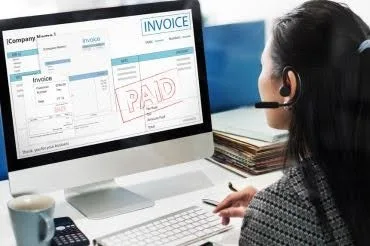
If you run a business, tax compliance can often feel like a never-ending task. You issue invoices, track GST or VAT, reconcile records, prepare returns and hope every number matches when filing time arrives. A small mismatch can lead to notices, penalties or hours spent correcting entries.
This is exactly where e-invoicing makes a real difference.
E-invoicing is not just about creating invoices digitally. It is a structured way of generating invoices in a standard electronic format that can be shared between businesses and, in many countries, tax authorities in real time or near real time. Governments across the world, including India, the UAE, Saudi Arabia, Singapore and many European countries, continue expanding e-invoicing frameworks to improve tax transparency and reduce fraud.
Benefits of E-Invoicing
Now that you know what is e-invoicing, here are 9 practical ways it simplifies tax compliance and reporting for you.
1. Reduces Manual Errors
Manual invoicing often leads to simple mistakes such as incorrect GSTIN, duplicate invoice numbers, tax miscalculations or missing invoice dates.
With e-invoicing, most of this information is automatically generated or validated by the system before the invoice is issued.
For example, if your accounting software automatically calculates 18% GST on a ₹50,000 invoice, you avoid the risk of entering ₹8,000 instead of ₹9,000 by mistake.
2. Better Tax Accuracy
Tax calculations become more reliable when invoices follow a standard digital format.
E-invoicing systems can automatically apply the correct tax rates based on product category, service type or customer location. This helps you charge the right amount of tax every time.
If you supply software services across states, for instance, the system can correctly identify whether IGST or CGST plus SGST applies.
This improves tax reporting from day one.
3. Makes Return Filing Faster
When invoice data is already stored digitally in a structured format, preparing tax returns becomes much easier.
Instead of collecting invoices from multiple spreadsheets, emails or folders at month-end, the data is already organised and available for reporting.
This can save significant time during GST return filing, VAT reporting or annual tax submissions. Your finance team spends less time compiling data and more time reviewing it.
4. Better Reconciliation
One of the biggest compliance challenges for businesses is matching invoice records with tax returns.
E-invoicing helps because sales records are created digitally at the source. This makes it easier to compare invoices against purchase records, ledgers and tax reports.
For example, if you issue 200 invoices in a month, your system can instantly match them against sales registers and tax payable data.
This reduces reconciliation headaches.
5. Helps Prevent Duplicate Invoices
Tax authorities globally are increasingly using e-invoicing to reduce invoice fraud and tax leakage.
Because invoices are generated in a structured electronic format and often validated through a government portal or authorised platform, fake or duplicate invoices become much harder to create.
This protects both businesses and tax systems.
If a supplier accidentally raises the same invoice twice, many e-invoicing systems can flag it immediately.
6. Gives Real-Time Visibility
Traditional invoicing often leaves a delay between issuing an invoice and recording it for reporting. E-invoicing removes that gap.
Once generated, invoice data becomes instantly available in your ERP or accounting software. This gives you a real-time view of taxable sales, outstanding payments and tax liabilities.
If you want to check your GST liability midway through the month, you do not need to wait until the month-end reports are prepared.
You can see the picture instantly.
7. Makes Audits Easier
Tax audits become much smoother when invoice records are digital, searchable and standardised.
Instead of going through paper files or manually retrieving PDF invoices, you can quickly access invoice details by invoice number, customer name or transaction date.
For example, if an auditor asks for all invoices raised to one client between April and June, you can retrieve them in seconds.
That saves time and reduces stress during audits.
8. Supports Better Record Keeping
Most tax regulations require businesses to retain invoices for several years. Managing paper invoices or scattered files can become difficult over time.
E-invoicing creates a secure digital record of every invoice, often stored automatically in cloud systems or integrated accounting platforms.
This improves documentation and makes future access easier whenever needed for audits, disputes or compliance checks.
9. Stay Aligned
Tax laws continue evolving and governments are increasingly moving towards digital compliance.
A strong e-invoicing setup makes adapting easier because software providers usually update invoice formats, tax fields and reporting requirements as regulations change.
For example, if a country introduces a new mandatory invoice field for reporting, the software can often add it through an update instead of requiring you to redesign your invoicing process manually.
Final Thoughts
E-invoicing is becoming an essential part of modern tax compliance. It helps you reduce errors, improve tax accuracy, simplify reporting and stay better prepared for audits and regulatory changes.
More importantly, it gives you confidence that your invoicing and tax records are connected from the start.
Instead of treating tax reporting as a month-end burden, you build compliance into your everyday operations. And that shift can make running your business much smoother.
Read More:
The Mall That Never Forgot Its Roots: A Complete Guide to Lamcy Plaza Dubai (2026)
Why La Mer Beach Dubai Still Deserves a Spot on Your Dubai Itinerary